Other Cities in Vietnam
Sapa
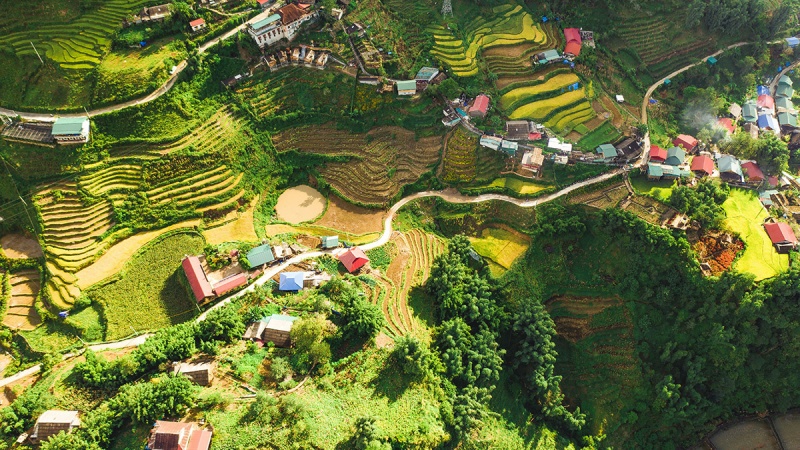
Sapa, nestled in the northern mountains of Vietnam, is celebrated for its stunning terraced rice fields, vibrant local cultures, and breathtaking landscapes. It's an ideal destination for outdoor enthusiasts and those seeking an authentic cultural experience.
About Sapa
Sapa is a picturesque town in Vietnam’s northern mountains, known for its rich cultural tapestry woven by various ethnic groups like the Hmong and Dao. With its stunning terraced rice fields, vibrant markets, and breathtaking surroundings, Sapa offers visitors a unique blend of natural beauty and cultural experiences, making it a must-visit destination for those looking to immerse themselves in Vietnam's diverse heritage.
Sapa Location
Frequently Asked Questions
Is Sapa safe for travelers?
Yes, Sapa is generally safe for travelers, but it's always wise to stay aware of your surroundings and follow local guidance.
What is the best way to get to Sapa?
Most travelers take a train or bus from Hanoi to Sapa, with many options available for comfortable overnight journeys.
What language is spoken in Sapa?
The primary language is Vietnamese, but many locals in tourist areas speak basic English.
Estimated Daily Budget
| Accommodation | $30-80/night |
| Food | $5-15/meal |
| Transport | $10-30/day |
| Activities | $5-50/experience |
How to Get There
| Mode | Avg. Cost | Duration | Operating Hours | Discount / Tip |
|---|
| Overnight Sleeper Bus | $10-15 | 5-6 hr | 24/7 | Book tickets in advance for better rates. |
| Train to Lao Cai | $15-30 | 5-8 hr | 5:00-22:00 | Consider a sleeper cabin for comfort and value. |
| Taxi from Lao Cai to Sapa | $15-20 | 1 hr | 24/7 | Negotiate the fare before getting in to avoid overcharging. |
- 💰 Peak-time / cost note: Prices may surge during holidays and peak tourist seasons.
- 💡 Cheapest option: The overnight sleeper bus is the cheapest realistic option.
- ⚠️ Watch out for: Beware of unlicensed taxis at the train station that may charge inflated rates.
Suggested Itinerary
| Day | Morning | Afternoon | Evening |
|---|
| Day 1 | Start your day with a visit to the Sapa Market, where you can experience the vibrant local culture and shop for handicrafts made by ethnic minorities. | After lunch, take a trek to Cat Cat Village, known for its stunning landscapes and traditional H'mong culture. Enjoy the scenic views of terraced rice fields along the way. | In the evening, relax at a local restaurant such as the Hill Station Signature Restaurant, which offers a cozy atmosphere and delicious Vietnamese cuisine. |
| Day 2 | Begin with a visit to Fansipan Mountain, often referred to as the 'Roof of Indochina.' Take the cable car for breathtaking views of the surrounding mountains. | After descending, head to the Silver Waterfall, a beautiful spot to enjoy the sound of rushing water and take stunning photos. | Dine at the Red Dao House, a unique restaurant that serves traditional Red Dao cuisine, and immerse yourself in the local culinary experience. |
| Day 3 | Visit the Sapa Stone Church, a historic landmark in the heart of Sapa, followed by a stroll through the surrounding park for a relaxing morning. | Explore the terraced rice fields in Muong Hoa Valley, where you can learn about the local farming practices and capture incredible photos. | Conclude your trip with a visit to the local night market, where you can try street food and shop for souvenirs to remember your time in Sapa. |
💡 Tip: It's advisable to book your accommodations and any guided tours in advance, especially during the peak tourist season from September to November.
Best Time to Visit
- Mar-May — This period brings mild weather and blooming flowers, making it ideal for trekking and enjoying the scenic beauty.
- Sep-Nov — Autumn showcases breathtaking rice harvest views and cooler temperatures, perfect for outdoor activities and photography.
Getting Around
- Airport to Sapa — Travelers can take a bus or arrange a private car from Hanoi Airport to Sapa, with options available for direct services.
- Getting Around — Walking and cycling are popular in Sapa; motorbike rentals are also available for exploring surrounding areas.
Practical Local Tips
- Luggage Storage — In Sapa, you can find luggage storage services at many hotels and guesthouses, as well as at the Sapa bus station. This is convenient for dropping off bags before check-in or after check-out.
- Tipping Culture — Tipping is not mandatory in Sapa, but it is appreciated for good service, especially in restaurants and for tour guides. A small tip of around 10% is a nice gesture.
- Power Outlets — Sapa uses 220V voltage with plug types A and C, so make sure to bring a universal adapter if your devices do not match these specifications.
- Cash vs Card — While some larger restaurants and hotels accept credit cards, many local shops and street vendors only take cash, so it's advisable to keep some Vietnamese Dong on hand.
- Public Transit Etiquette — When using local buses or shared taxis in Sapa, it’s polite to give way to locals and wait for them to board before you, as they often have priority.
- Public Restrooms / Trash Bins — Public restrooms may be limited in Sapa, so it’s best to use facilities at cafes or restaurants, which are more likely to have clean restrooms. Always carry some tissue, as it may not be provided.
- Language Tips — While many people in Sapa speak basic English, learning a few Vietnamese phrases can go a long way in enhancing your interactions with locals.
Traveler Tips for Sapa
Share Your Tip
Been to Sapa? Help other travelers with a quick tip.
Top Experiences in Sapa
- Fansipan Mountain — As the highest peak in Vietnam, Fansipan offers challenging hikes and stunning views, perfect for adventure seekers.
- Terraced Rice Fields — These iconic landscapes are a photographer's dream, especially during the rice-growing season when the fields are lush and vibrant.
- Local Markets — Explore the bustling markets in Sapa Town for a taste of local life, showcasing handicrafts and fresh produce.
- Cat Cat Village — This traditional village offers insight into the local culture and stunning scenery, including waterfalls and rice terraces.
- Love Waterfall — A beautiful natural site, perfect for a day hike, featuring a serene atmosphere and gorgeous surroundings.
Cultural & Heritage Sites in Sapa
- Lau Chai Village — Home to the Hmong people, this village features traditional houses and beautiful terraced fields.
- Stone Church — An iconic landmark in Sapa, this French colonial church is a must-visit for history buffs and photographers.
Museums & Galleries in Sapa
- Sapa Museum — Discover Sapa's history and culture through exhibits showcasing local ethnic groups and traditions. Admission is often free.
- Ethnology Museum — This museum highlights the diverse cultures of Vietnam's ethnic minorities, offering insights into their customs and lifestyles.
Hiking Trails near Sapa
- Ta Phin Trail — A moderate hike leading through stunning landscapes and local villages, taking about 3-4 hours to complete.
- Muong Hoa Valley — This trail offers breathtaking views of rice terraces and is suitable for all levels, with varying lengths from 2 to 6 hours.
- Fansipan Trek — A challenging multi-day trek to Vietnam's highest peak, ideal for experienced hikers looking for adventure.
Cycling Routes near Sapa
- Sapa to Ta Van — This scenic route is popular for cycling, with bike rentals available in Sapa, leading through picturesque landscapes.
- Muong Hoa Cycling Path — An easy cycling route that offers stunning views of rice paddies and local villages, suitable for all skill levels.
Festivals & Events in Sapa
- Sapa Flower Festival (Every March) — Celebrating the region's floral beauty, this festival features vibrant flower displays and cultural performances.
- Lunar New Year (Tet) (Late January/February) — A major celebration in Vietnam, featuring traditional customs, food, and festivities throughout Sapa.
Local Food to Try in Sapa
- Thang Co — A traditional Hmong dish made from horse meat and herbs, typically served in local eateries.
- Sapa Salmon — Freshly farmed salmon from the nearby lakes, served in various styles at restaurants throughout Sapa.
- Bamboo Sticky Rice — A unique local delicacy, this sticky rice is cooked in bamboo tubes and is a must-try street food.
- Mien Xao Luon — Stir-fried glass noodles with eel, popular in Sapa's eateries, offering a local twist on Vietnamese cuisine.
Seasonal Highlights in Sapa
- Rice Harvest (September-October) — Witness the breathtaking golden terraces during the harvest season, a stunning sight for photography enthusiasts.
- Flower Blooming Season (February-March) — Experience the vibrant flower blooms in Sapa, making the landscapes even more picturesque.
Where to Stay in Sapa
- Sapa Town — The bustling heart of Sapa, known for its shops and restaurants, it suits travelers looking for convenience and amenities.
- Cat Cat Village — A traditional village just a short walk from Sapa, it offers an immersive cultural experience for those wanting to explore local customs.
- Ta Van Village — Famed for its stunning landscapes and ethnic diversity, this area is perfect for those seeking tranquility and nature.
Latest Sapa Travel News
Other Cities in Vietnam