
Last fact-checked: 2026-09-10
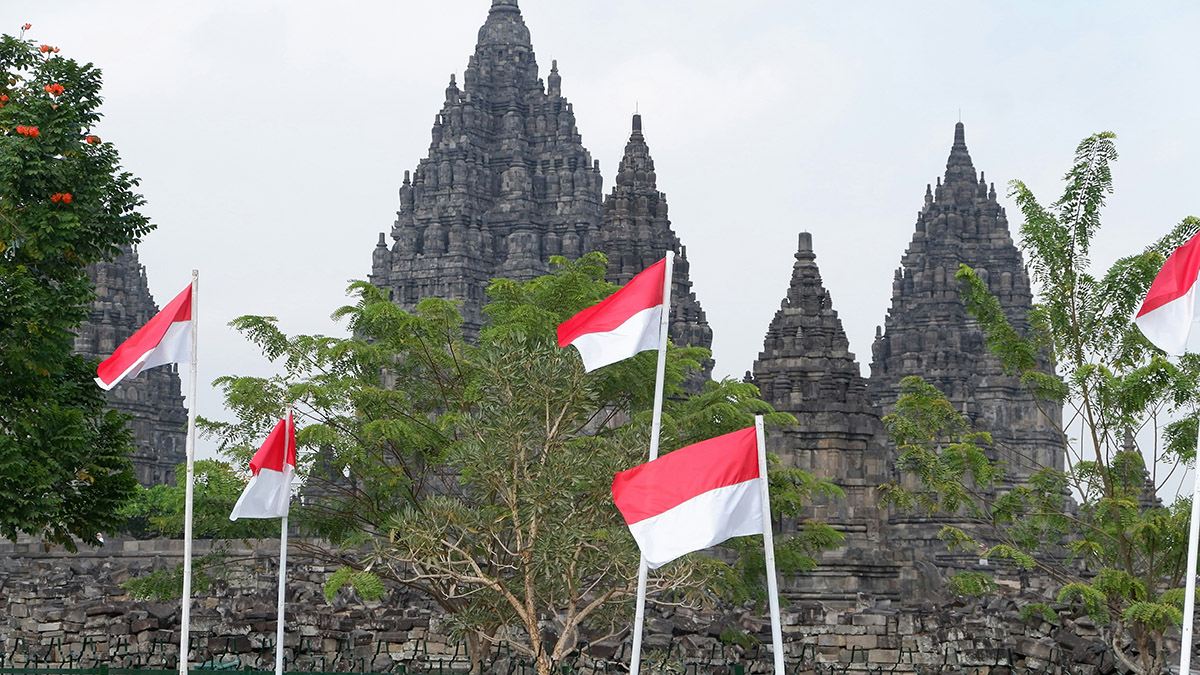
Located near Yogyakarta, Indonesia, both Borobudur Temple Compounds and Prambanan Temple Compounds are remarkable UNESCO World Heritage Sites, inscribed in 1991. Borobudur is renowned as the world’s largest Buddhist monument, constructed during the 8th to 9th centuries. In contrast, Prambanan is celebrated as the largest Hindu temple compound in Indonesia, also built around the same era. These sites are not only architectural marvels but also significant cultural symbols of Indonesia's diverse spiritual traditions.
Borobudur is an awe-inspiring five-tiered monument adorned with stunning relief panels depicting Buddhist teachings. Visitors can explore:
Prambanan Temple Compound is known for its tall, pointed architecture, representing the Hindu cosmology. Key features include:
Planning your visit to these UNESCO sites can enhance your experience. Here are some practical tips:
Borobudur is significant as the largest Buddhist monument in the world, representing the pinnacle of Buddhist architecture and art. It serves as a pilgrimage site, attracting thousands of visitors each year.
While it is possible to visit both Borobudur and Prambanan in one day, it is recommended to dedicate separate days to fully enjoy and appreciate each site without feeling rushed.
Yes, many guided tours are available that provide insights into the history and significance of both Borobudur and Prambanan, enhancing your understanding of these magnificent sites.
Both Borobudur and Prambanan offer a unique glimpse into Indonesia’s cultural heritage, making them essential stops for any traveler exploring the region. With their breathtaking architecture and rich histories, these UNESCO World Heritage Sites are truly unforgettable experiences.