
Last fact-checked: 2026-09-10
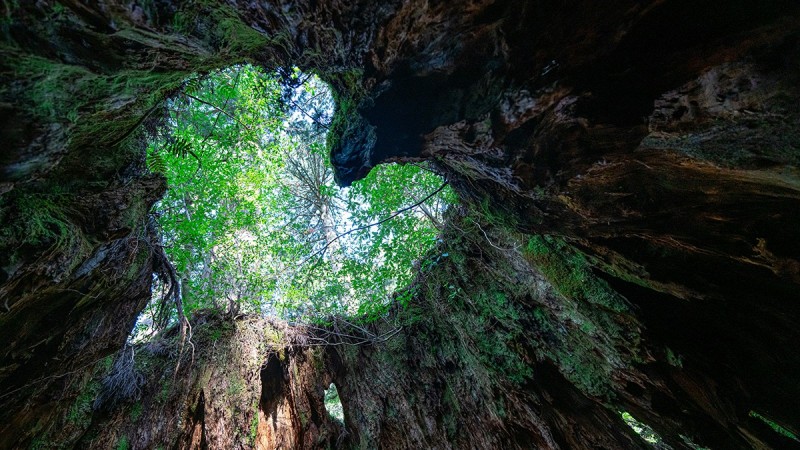
Inscribed as a UNESCO World Heritage Site in 1993, Yakushima is one of Japan's first two natural heritage sites. This stunning island is renowned for its ancient Japanese cedar forests, where some trees are estimated to be over 1,000 years old. Among these majestic trees, the Jomon Sugi stands out as the most famous, attracting nature lovers and hikers from around the globe.
Yakushima holds significant ecological and cultural value. The island's diverse ecosystem is home to unique flora and fauna, many of which are endemic to the region. The ancient yakusugi trees symbolize the resilience of nature and are a testament to the island's long-standing history. Recognizing its importance, UNESCO designated Yakushima as a World Heritage Site, highlighting its unique natural environment and the need for conservation.
Yakushima offers a variety of activities for visitors to immerse themselves in its natural beauty:
To make the most of your visit to Yakushima, consider the following tips:
Yes, Yakushima can be visited year-round, but be prepared for varying weather conditions, especially during the rainy season from June to July.
Pack comfortable hiking shoes, rain gear, and layers, as temperatures can fluctuate. Don’t forget your camera to capture the breathtaking landscapes!
Yes, Yakushima offers a range of accommodations from hotels to guesthouses. It's advisable to book in advance during peak seasons.
Embark on an unforgettable journey to Yakushima, where nature's beauty and ancient history await you. Whether you're hiking through ancient cedar forests or marveling at the Jomon Sugi, this UNESCO World Heritage Site promises an enriching experience.