← All Guides
Heritage
Historic Monuments of Ancient Nara: A UNESCO World Heritage Travel Guide
Last fact-checked: 2026-09-10
Welcome to the Historic Monuments of Ancient Nara
The Historic Monuments of Ancient Nara, inscribed as a UNESCO World Heritage Site in 1998, represent a significant chapter in Japan's history and culture. Located in Nara, the first permanent capital of Japan, this site includes an array of historical landmarks that showcase the architectural and spiritual heritage of the country.
Why It Matters
Nara was established as the capital in the early 8th century and became a hub for politics, culture, and religion. The Historic Monuments of Ancient Nara include several important structures that reflect the artistry and craftsmanship of the period. Among these are the renowned Todai-ji Temple, housing a giant Buddha statue, and Kofuku-ji, which is famous for its five-story pagoda. These monuments not only hold religious significance but also embody the essence of Japanese culture.
What to See and Do
When visiting the Historic Monuments of Ancient Nara, there are several key sites to explore:
- Todai-ji: This iconic temple is home to the Great Buddha (Daibutsu) and is a must-see for its impressive architecture and serene atmosphere.
- Kofuku-ji: Known for its stunning pagoda and treasures, this temple has a rich history and offers insight into the Buddhist practices of the time.
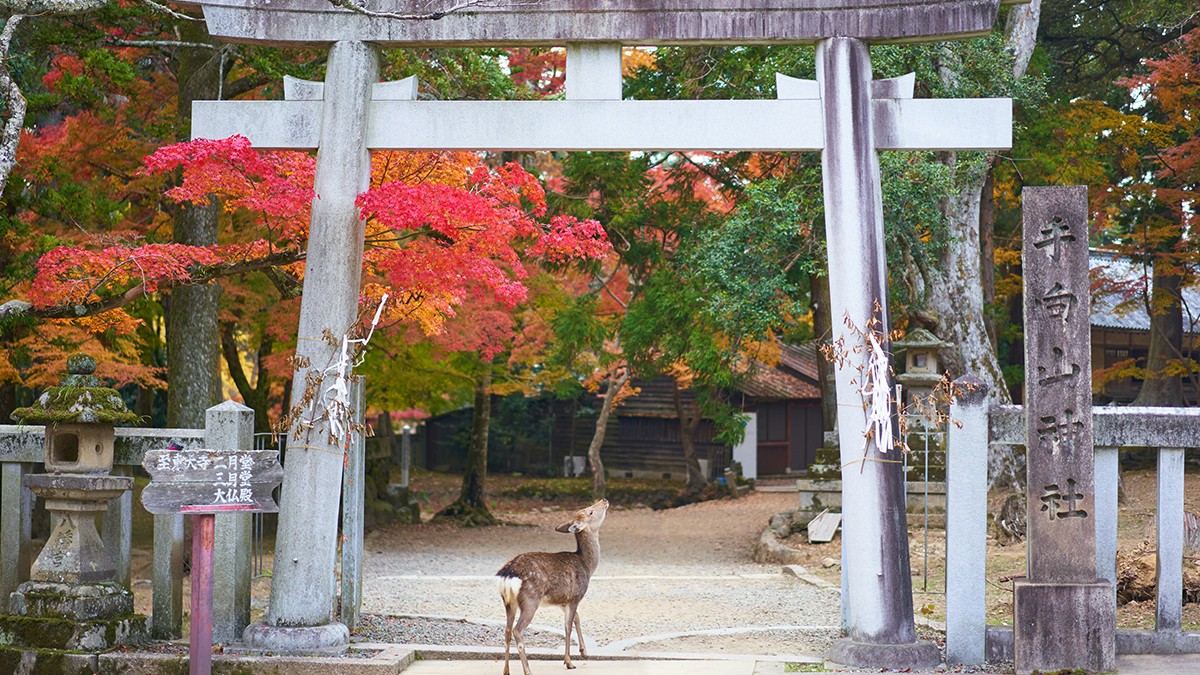
- Kasuga Shrine: Famous for its hundreds of bronze lanterns, this shrine is deeply connected to the Kasuga clan and showcases traditional Shinto architecture.
- Gango-ji: Recognized for its historical significance, Gango-ji is one of the oldest temples in Nara and features beautiful artifacts.
- Yakushi-ji: This temple is dedicated to the Healing Buddha and is known for its exquisite wooden structures and tranquil gardens.
- Toshodai-ji: A significant temple for the introduction of Buddhism to Japan, it has beautiful halls and a peaceful setting for reflection.
- Heijo Palace ruins: Explore the remnants of the imperial palace that once served as the seat of power in ancient Japan.
- Kasugayama Primeval Forest: A natural wonder, this forest is part of the sacred landscape and is teeming with wildlife and lush vegetation.
Practical Visiting Tips
To make the most of your visit to the Historic Monuments of Ancient Nara, consider the following tips:
- Best Time to Visit: The ideal time to explore Nara is during the spring (March to May) and autumn (September to November) when the weather is pleasant and the natural scenery is at its most beautiful.
- How Much Time to Allow: Plan to spend a full day or more to fully appreciate the various sites, as each monument offers a unique experience and plenty of historical context.
- Entry Fees: Some sites may have entrance fees, but many are free to explore. It's best to check in advance for any specific costs.
FAQs
- Is Nara easily accessible from Kyoto?
Nara is approximately a one-hour train ride from Kyoto, making it an easy day trip for travelers.
- Can you see deer in Nara?
Yes! Nara Park, located near the monuments, is famous for its free-roaming deer that are considered sacred and are a beloved attraction.
- What should I wear when visiting the temples?
It's advisable to wear comfortable shoes for walking and dress modestly when visiting sacred sites.
← Back to Japan guide