← All Guides
Heritage
Historic Monuments of Ancient Kyoto: A UNESCO World Heritage Travel Guide
Last fact-checked: 2026-09-10
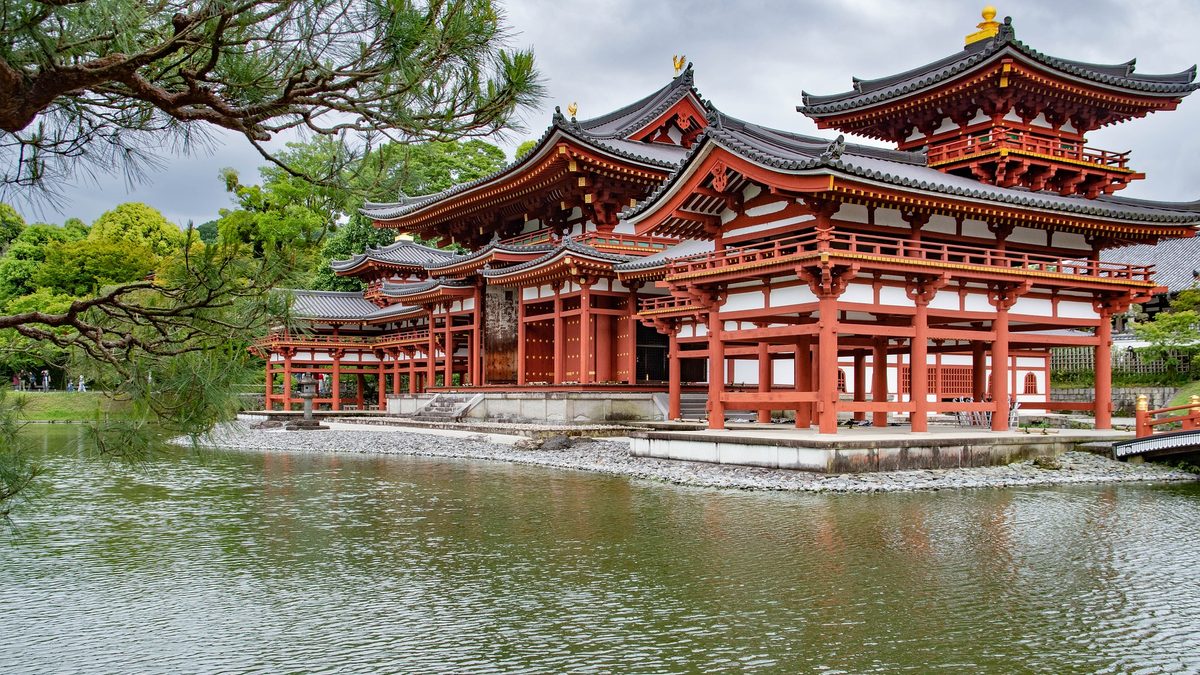
Historic Monuments of Ancient Kyoto
Inscribed as a UNESCO World Heritage Site in 1994, the Historic Monuments of Ancient Kyoto is a remarkable collection of cultural treasures located across Kyoto, Uji, and Otsu. This site encompasses 17 significant locations that reflect the rich history and artistry of Japan, making it a must-visit for travelers seeking a deeper understanding of Japanese heritage.
Why It Matters
The Historic Monuments of Ancient Kyoto are not just architectural marvels; they are symbols of Japan's historical evolution and cultural identity. Each site tells a unique story, showcasing the artistic and spiritual achievements of Japanese society over centuries.
Must-Visit Locations
- Kiyomizu-dera: Famous for its wooden stage that juts out over the hillside, offering stunning views of cherry and maple trees in spring and fall.
- Kinkaku-ji (Golden Pavilion): A stunning Zen temple covered in gold leaf, reflecting beautifully in the surrounding pond.
- Ginkaku-ji (Silver Pavilion): Although not actually covered in silver, this temple is known for its serene gardens and elegant architecture.
- Nijo Castle: A historical castle showcasing exquisite architecture and beautiful gardens, famous for its nightingale floors that chirp when walked upon.
- Ryoan-ji: Renowned for its rock garden, this Zen temple invites contemplation and is a perfect place for reflection.
- Byodo-in: A stunning temple that exemplifies Pure Land Buddhism, known for its iconic Phoenix Hall.
- Enryaku-ji: A temple complex on Mount Hiei, it played a significant role in the development of Japanese Buddhism.
- To-ji: Home to the tallest wooden pagoda in Japan, this temple is a significant site for Shingon Buddhism.
Visiting Tips
When planning your visit to the Historic Monuments of Ancient Kyoto, consider the following tips to enhance your experience:
- Best Time to Visit: Spring (March to May) and autumn (September to November) are ideal times, with beautiful cherry blossoms and vibrant autumn leaves.
- Duration: Allow at least a few days to explore the various sites thoroughly, as each offers unique experiences and insights.
- Entry Fees: Most sites have an entrance fee, but specific amounts vary; check local information for the most accurate details.
FAQs
How do I get to the Historic Monuments of Ancient Kyoto? Public transport is excellent in Kyoto, with buses and trains connecting most of the major sites. Consider purchasing a day pass for convenience.
Are the sites accessible for everyone? While many sites have been made accessible, some temples may have stairs or uneven paths. It's best to check individual site accessibility in advance.
Can I take photographs at these sites? Photography is allowed in most areas, but be respectful of the surroundings and follow any posted guidelines.
In summary, the Historic Monuments of Ancient Kyoto offer a breathtaking glimpse into Japan's past, and visiting them is a rewarding experience that combines culture, history, and stunning scenery.
← Back to Japan guide