
Last fact-checked: 2026-09-10
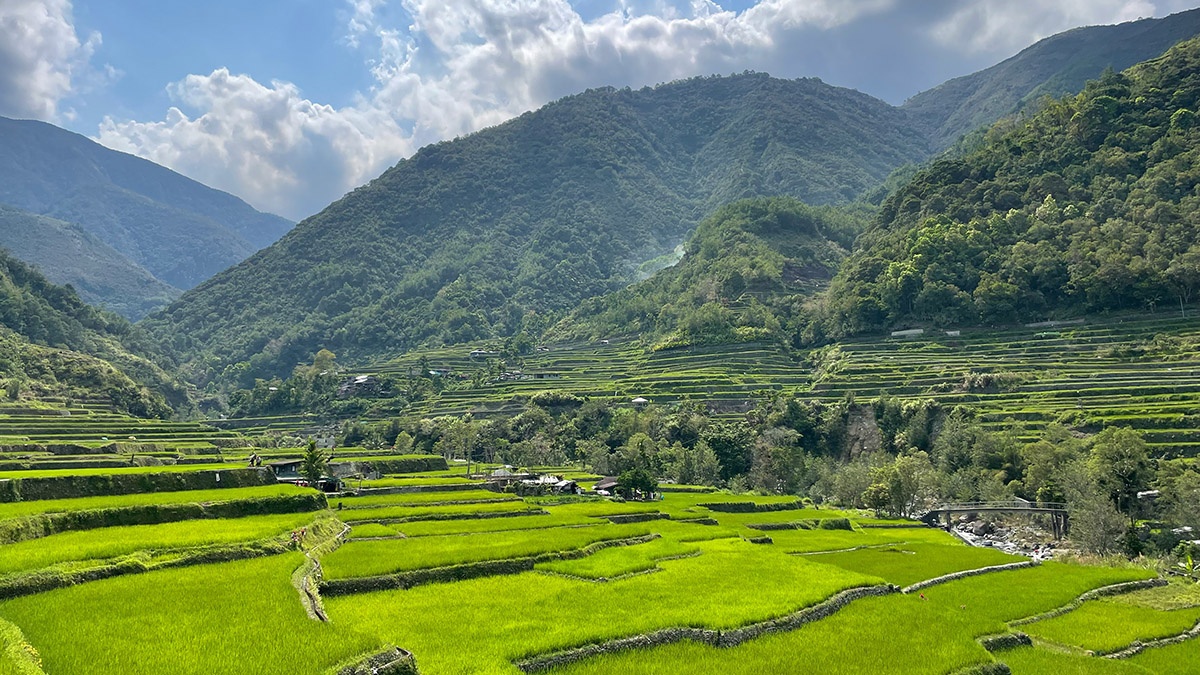
The Rice Terraces of the Philippine Cordilleras, inscribed as a UNESCO World Heritage Site in 1995, represent a remarkable cultural landscape. These terraces were carved into the mountainsides over 2,000 years ago by the Ifugao ancestors, showcasing their ingenuity and deep connection to the land. Today, these terraces are still farmed using traditional methods, reflecting a living cultural heritage that continues to thrive.
The significance of the Rice Terraces extends beyond their stunning beauty. They are a testament to the agricultural practices of the Ifugao people, illustrating sustainable farming techniques that have been passed down through generations. The terraces not only provide rice, a staple food in the region, but also play a crucial role in the ecosystem, helping to prevent soil erosion and maintain biodiversity.
Visitors can hike along the terraces, offering breathtaking views of the landscape and a chance to witness the traditional farming practices still in use today. The vibrant green rice fields, especially during the planting and harvesting seasons, create a picturesque scene that captivates photographers and nature lovers alike.
Immerse yourself in the local culture by visiting nearby Ifugao villages. Here, you can learn about the customs, traditions, and daily lives of the Ifugao people. Participating in cultural events or workshops can provide deeper insight into their heritage.
The Batad Rice Terraces, a part of the overall heritage site, are known for their amphitheater-like structure. They are ideal for those seeking a more remote experience and offer several hiking trails that lead to stunning viewpoints.
For independent travelers planning a visit to the Rice Terraces of the Philippine Cordilleras, consider these practical tips:
The ideal time to visit is during the rice planting and harvesting seasons, typically from May to June and September to October. During these months, you can witness the terraces in full bloom, showcasing the lush greenery of the rice plants.
Plan to spend at least two to three days in the area to fully experience the terraces, engage with the local culture, and explore the surrounding villages.
While specific entry fees may vary, expect a small fee for accessing certain areas or guided tours that support local communities.
The most common route is to travel to Banaue, which serves as a gateway to the terraces. From there, you can hire local guides or use public transportation to reach various terrace sites.
Yes, hiking is a popular activity. Many trails are well-marked, and local guides are available to enhance your experience and ensure your safety.
Due to the nature of the terraces, they are not generally wheelchair accessible. However, some viewpoints may be accessible from nearby roads.